The alleys of Bai Xep are as unpretentious as it gets. Except for the small stretches featuring a bit of wall art, it’s mostly just a modest neighborhood where freshly washed laundry hangs over the walls, and tiny mom-and-pop shops serve the locals.
As you finally make your way through the narrow alleys and approach the beachfront, a few colorful murals begin to peek out, welcoming you to a true sanctuary built for travelers—and indeed, anyone who wanders into this place. Coincidentally, this peaceful haven is actually named ‘Heaven.’
However, among these murals, there is one that might catch Asian travelers—especially Koreans—completely off guard. It’s a painting that resembles the Rising Sun Flag.
Many Westerners seem unaware of its history, often seeing it as just a cool, retro Asian design. But in reality, this flag is a symbol of Japanese militarism, carrying the same painful historical weight in Asia as the Nazi swastika does in the West.
It was likely painted by someone who simply thought it looked cool, without any understanding of its dark meaning.
A Truly Hidden Sanctuary
This brings us to the single biggest slice of this hidden sanctuary built for everyone visiting Bai Xep: a gorgeous homestay and beachfront cafe aptly named ‘Heaven.’
You could say ‘Heaven’ is the ultimate healing sanctuary for anyone passing through Bai Xep. It’s a beautifully diverse space where you can grab a coffee or fresh juice, crack open a cold beer, zone out to the peaceful sea, catch up on some work, or just chat with fellow travelers.
이곳은 서양인 관광객들이 많이 찾는다. 대부분 근처 홈스테이에서 지내는 사람들이고, 연인끼리 오거나 홀로 여행객도 많았다.
Sitting there at the cafe, just looking out at the quiet, gentle sea, a sense of ease naturally washes over you. It may not instantly cure whatever you’re going through, but it is a place that feeds you with the positive energy and strength to finally begin your own healing.
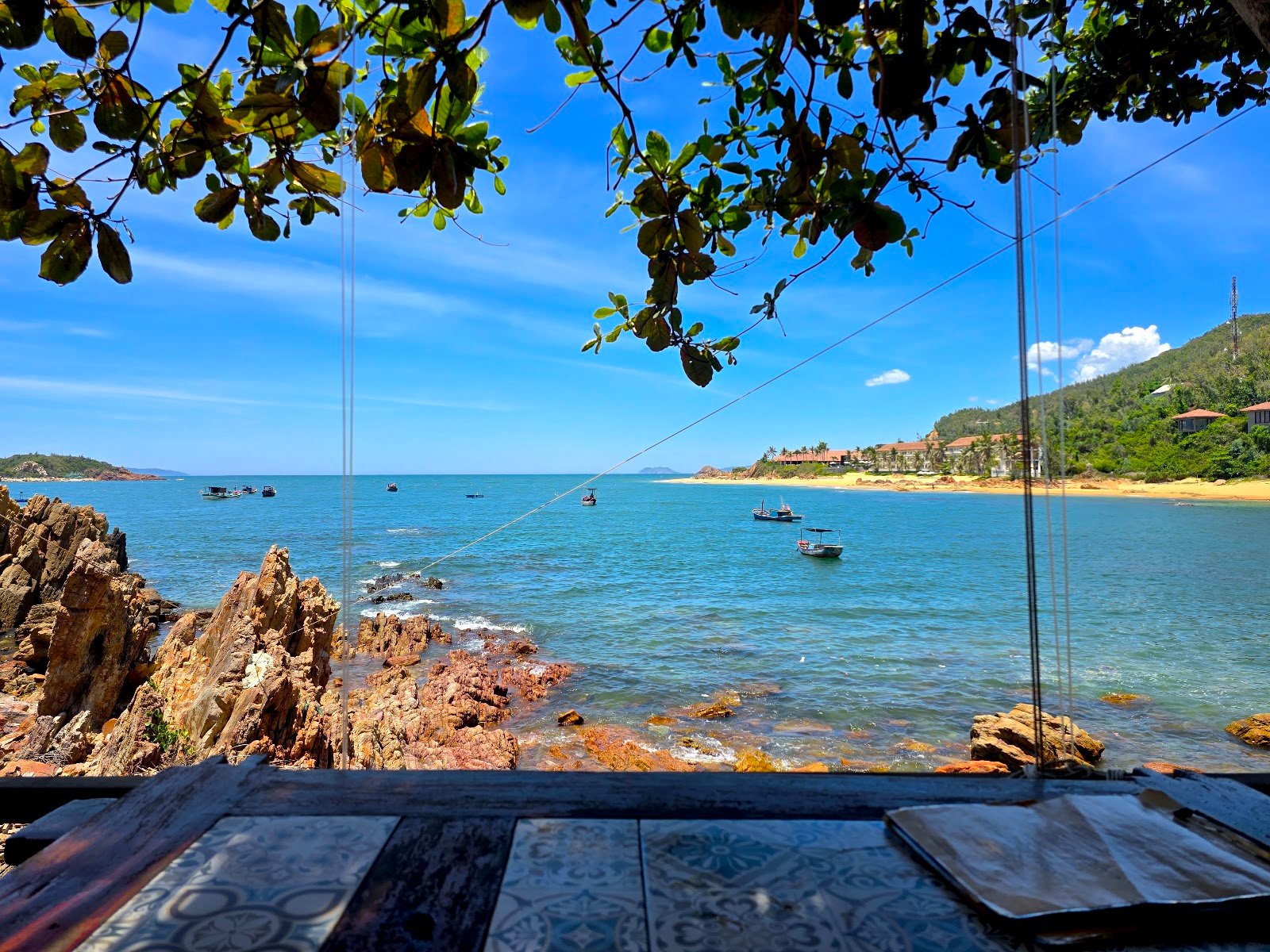
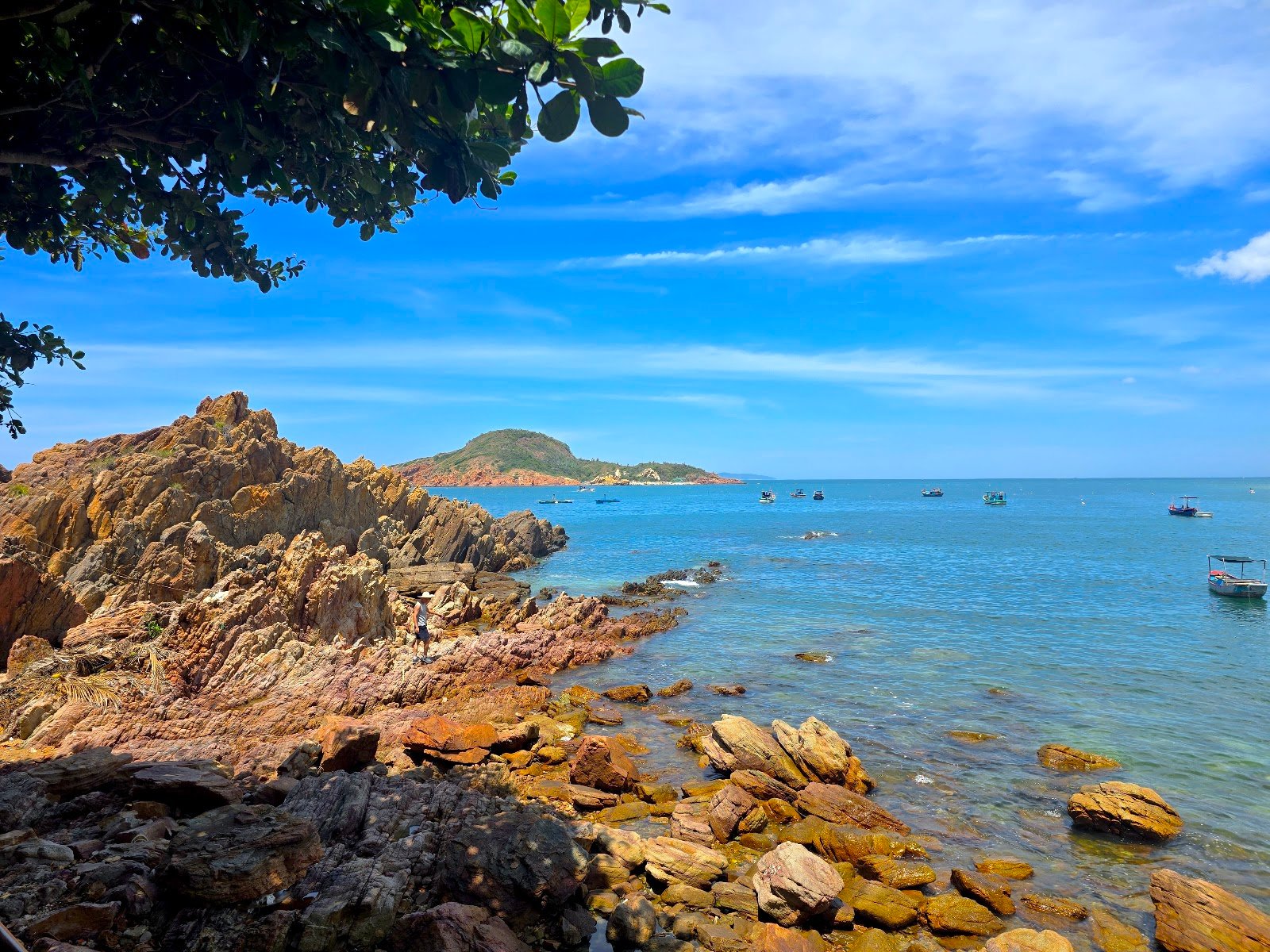
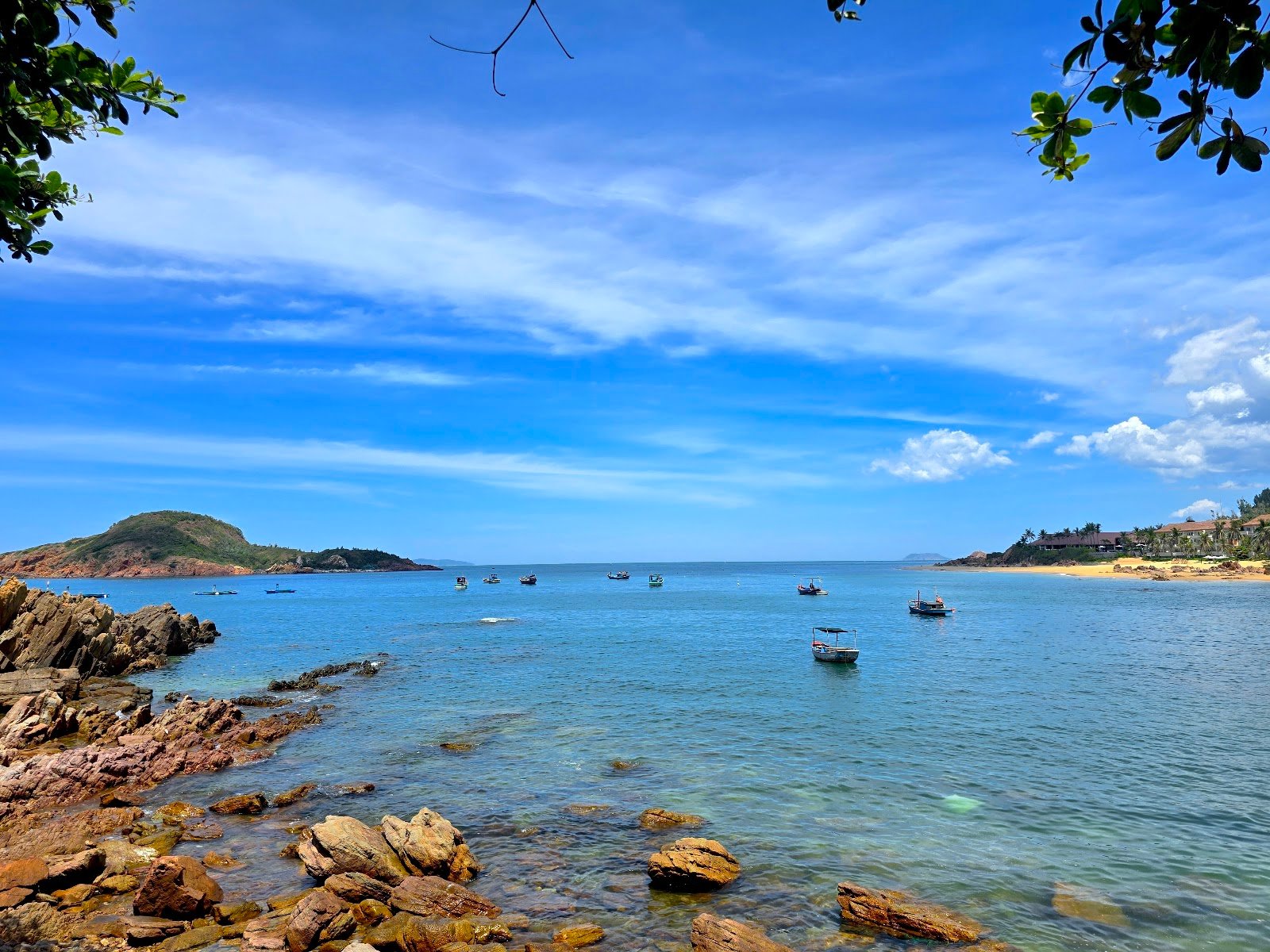
That, to me, is what Bai Xep is all about: a place that doesn’t necessarily cure your wounds, but gives you the strength to forget them for a moment and keep moving forward.
If you are looking to escape the noise, leave your worries behind, and find a true sanctuary, this place might just be your best choice.
How to Get to Bai Xep (Quick Guide)
Option 1: Taking a Grab (Easiest & Most Convenient)
Bai Xep is about 11 km from downtown Quy Nhon, which takes roughly 20 minutes.
GrabCar: ~150,000 VND (Approx. $6 USD) — Highly recommended if you hate melting in the heat
GrabBike: ~50,000 VND (Approx. $2 USD) — Perfect for solo adventurers.
Pro-Tip for Drop-off: Grab can sometimes get confused about the narrow alleys in the fishing village. Set your destination to “Heaven Vietnam“, or “Kim Dong Primary School – Bai Xep“.
Option 2: Renting a Scooter (For the Free Spirits)
Estimated Cost: ~120,000 VND per day (plus gas).
If you’re traveling solo, a GrabBike is actually just as cheap and you don’t have to worry about driving in Vietnamese traffic. But if you want to explore the coast on your own schedule, renting a scooter wins hands down. Choose your own adventure based on your travel style!
That’s it for this post. Stay tuned for the final chapter of our Bai Xep journey!